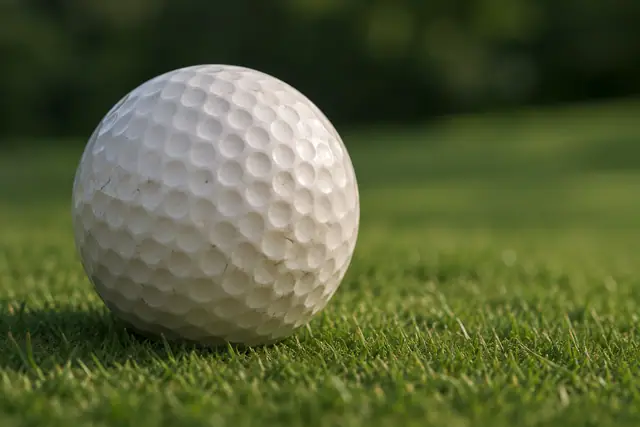
What do the dimples do?
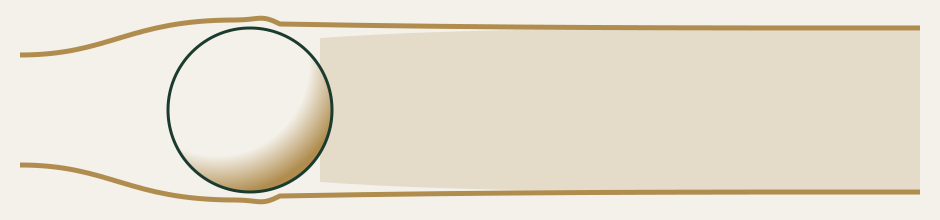
During golf-ball flight, dimples can help the air stay close to the surface longer. That leaves a smaller disturbed-air trail behind the ball and can lower drag: the force of air holding it back. This depends on the airflow conditions; it does not mean every rough object has less drag at every speed. NASA Glenn explains drag on a sphere.
A useful picture is a ball moving through air, with a trail behind it. The dimples change how that air moves around the surface. This explanation is not a measurement of your shot, a distance prediction, or a claim about one ball brand.
Air flows from left to right → Both balls are shown at the same scale.
Smooth ball
Dimpled ball
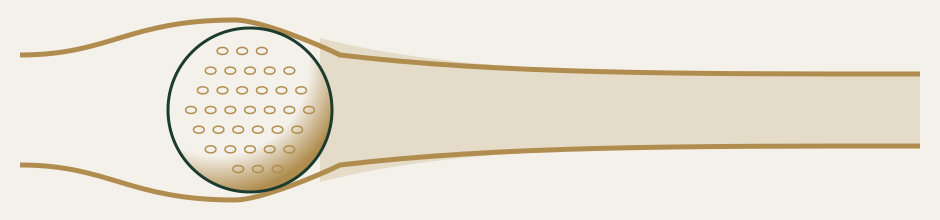
Simplified airflow illustrations reused from our lesson, not measured flight data. The airflow-condition limits above still apply.
Does a higher dimple count mean a better ball?
No. The shape, depth and arrangement of dimples influence how a golf ball flies. Counting them does not tell you which ball will travel farthest for you. Titleist explains dimple design.
Two boxes can advertise different designs without giving you a simple best-to-worst score. You do not need to compare tiny dents one by one to begin playing.
What should a beginner do with this information?
Treat dimples as an explanation of the ball, not a shopping shortcut. Before buying, decide what you want to spend and how you will tell your ball apart from someone else’s. Then keep the ball model with your practice note so you know what you used.
- Ask the golf shop about any equipment requirements for your planned outing.
- Do not turn an advertised dimple count into a promised distance.
- If you compare balls, change one choice at a time rather than your whole setup.
Keep exploring
Source links support the specific facts beside them. They do not imply endorsement of or affiliation with JAMY PRO. Planning questions and examples are our editorial suggestions, not personal instruction or result promises.